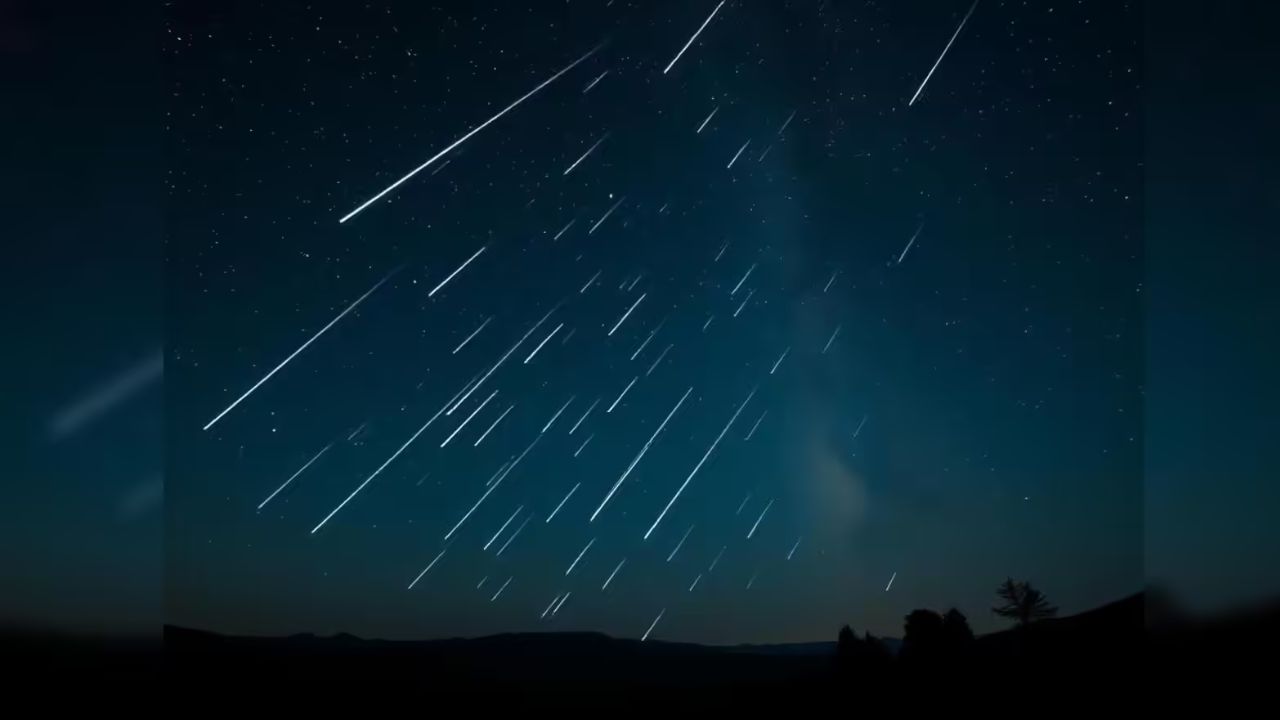
Northern Hemisphere — Stargazers may want to spend some time looking up this week as one of the year’s most unusual and unpredictable meteor showers reaches its peak.
The June Bootids meteor shower, an annual celestial event that typically produces only a small number of visible meteors, is expected to peak between now and Saturday. Although the shower is usually relatively quiet, its history of unexpected activity has astronomers paying close attention.
Unlike major meteor showers that reliably deliver dozens of meteors per hour, the June Bootids have earned a reputation for surprising observers with sudden and dramatic bursts of activity.
Why the June Bootids Are Different
Astronomy experts often describe the June Bootids as one of the most unpredictable meteor showers in the night sky.
Most years, observers may only see a handful of meteors during the shower’s peak. However, historical records show that the June Bootids occasionally produce impressive outbursts that exceed expectations.
One of the most notable examples occurred on June 27, 1998, when the meteor shower unexpectedly generated between 50 and 100 meteors per hour for more than 12 hours.
Another significant increase in activity was observed in 2004, when skywatchers recorded roughly 50 meteors per hour.
However, astronomers caution that forecasting these outbursts remains extremely difficult. A widely anticipated increase in activity during 2010 never materialized, highlighting the challenge of predicting the shower’s behavior.
What Causes the June Bootids?
Meteor showers occur when Earth travels through streams of dust and debris left behind by comets or asteroids.
As these tiny particles enter Earth’s atmosphere at high speeds, they burn up and create the bright streaks of light commonly known as shooting stars.
The June Bootids originate from debris left behind by Comet 7P/Pons-Winnecke, a periodic comet that circles the Sun and sheds material along its orbital path.
When Earth passes through that debris field each year, the particles collide with the atmosphere and create the meteor shower.
Where and When to Look
Observers in the Northern Hemisphere are expected to have the best viewing opportunities because the meteor shower’s radiant point appears higher in the evening sky.
The radiant is located within the constellation Bootes, near the bright star known as Nekkar. While meteors appear to originate from this area, they can streak across various parts of the sky.
Experts recommend heading to a location far from city lights for the best experience.
According to NASA, one of the easiest ways to watch a meteor shower is to lie flat on your back and allow your eyes approximately 30 minutes to adjust to the darkness.
The June Bootids are also known for producing slow-moving meteors, making them easier to distinguish from other meteors that occasionally appear in the same region of the sky.
More Skywatching Opportunities Ahead
The June Bootids are just one of several celestial events scheduled for the coming months. Later this summer, astronomy enthusiasts can look forward to:
- The Southern Delta Aquariids meteor shower
- The Alpha Capricornids meteor shower
- The annual Perseids meteor shower
The Perseids, one of the most popular meteor showers of the year, are expected to peak around August 12-13.
Skywatchers may also have an opportunity to witness a partial solar eclipse on August 12, with visibility extending across portions of North America, Europe, and Africa.
A Reminder That the Sky Can Still Surprise Us
Although the June Bootids may not generate the same excitement as some larger meteor showers, their unpredictable nature is exactly what makes them fascinating.
Astronomers say every peak period brings the possibility of an unexpected display, giving observers a reason to keep an eye on the night sky.
Whether the shower produces only a few meteors or another surprise outburst, this week’s event offers a chance to witness one of the most mysterious recurring spectacles in astronomy.
Will you be watching for the June Bootids this week? Have you ever seen a meteor shower or shooting star in person? Share your experience in the comments below.