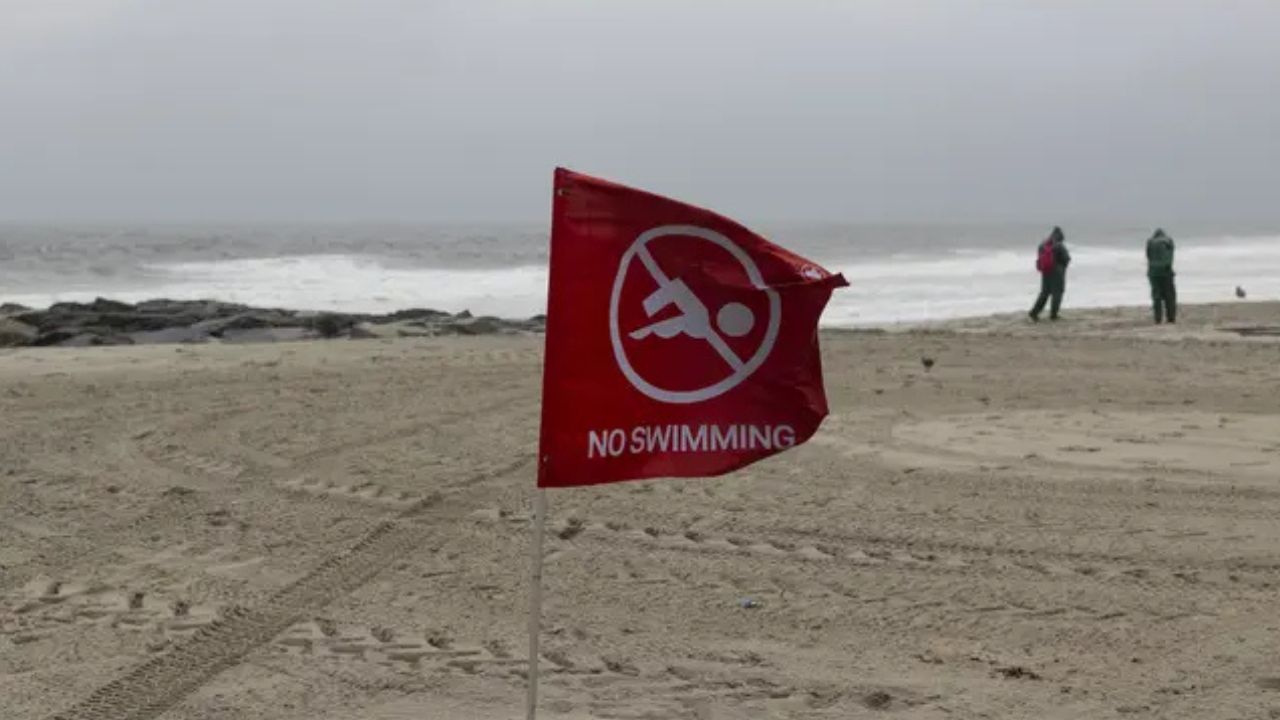
United States — As summer recreation season ramps up across the country, beachgoers are finding warning signs instead of open water at many popular destinations after elevated bacteria levels triggered closures and swimming advisories from coast to coast.
Health officials in multiple states have reported unsafe water conditions at beaches, lakes, and swimming areas due to contamination concerns. The warnings come as families flock to outdoor recreation spots during one of the busiest travel periods of the year.
According to the U.S. Environmental Protection Agency (EPA), exposure to contaminated water can lead to a variety of illnesses, ranging from stomach problems to respiratory infections and skin-related conditions.
Why Officials Are Closing Beaches
Beach closures and swimming advisories are typically issued when water testing detects bacteria levels above health safety standards.
The EPA warns that swimming or wading in contaminated water may increase the risk of illnesses such as diarrhea, vomiting, respiratory infections, ear infections, skin rashes, eye irritation, and wound infections.
Several factors can contribute to elevated bacteria levels, including:
- Stormwater runoff
- Sewer overflows
- Aging sewer infrastructure
- Failing septic systems
- Pet and animal waste
Heavy rainfall often worsens the problem by washing contaminants into rivers, lakes, and coastal waters.
New York Beaches Placed Under Swimming Advisories
Several beaches throughout New York City have recently been placed under swimming advisories after testing detected elevated levels of enterococci bacteria.
Affected locations were reported across multiple boroughs, including areas of the Bronx, Brooklyn, and Queens. Officials noted that waterways along Long Island Sound and portions of New York City’s southern coastline were also impacted.
Stormwater runoff and aging sewer systems are frequently cited as contributing factors to recurring water quality concerns in the region.
Massachusetts Sees Widespread Closures
Massachusetts has experienced some of the largest impacts, with dozens of beaches temporarily closed due to bacteria concerns.
State health officials reported numerous closures during Father’s Day weekend, affecting coastal communities across Cape Cod and the North Shore.
Locations in Brewster, Plymouth, Provincetown, Gloucester, Manchester, Rockport, and Salem were among those impacted.
Inland swimming destinations and beaches around the Boston area also reported elevated bacteria levels, limiting recreational access during a busy summer period.
New Jersey and Iowa Report Unsafe Conditions
In New Jersey, environmental officials issued swimming advisories at multiple beaches and lakes after testing detected elevated fecal bacteria levels.
Several Jersey Shore locations were affected, along with freshwater recreation areas in Burlington, Morris, and Sussex counties. One beach in Upper Township was closed entirely.
Meanwhile, Iowa officials issued “swimming not recommended” advisories for multiple lakes and beaches after testing revealed elevated E. coli levels.
Popular recreation areas across the state were affected, including sites in northeastern, central, southeastern, and western Iowa.
While E. coli itself does not always cause illness, its presence can indicate fecal contamination and the possible existence of other harmful pathogens.
Washington Beaches Also Impacted
The Pacific Northwest has not escaped the trend.
Several popular swimming areas throughout Washington state were temporarily closed after routine testing found elevated bacteria concentrations.
Many of the affected locations were concentrated around Lake Washington communities, including Seattle, Kirkland, Renton, and Kent.
Health officials said closures are expected to remain in place until follow-up testing confirms that water quality has returned to safe levels.
What Swimmers Should Know
Experts recommend checking local health department websites before heading to beaches or lakes, especially following heavy rainfall.
Many water quality advisories are temporary and are lifted once testing confirms conditions have improved.
Officials also encourage beachgoers to avoid entering water with visible pollution, strong odors, or posted warning signs.
As summer continues, environmental agencies nationwide are expected to maintain close monitoring of water quality conditions to protect public health and reduce the risk of illness.
Have you encountered beach closures or water quality advisories in your area this summer? What steps do you take before swimming at beaches or lakes? Share your thoughts in the comments below.