New York City, New York — After several days of comfortable temperatures and sunshine across parts of the Northeast, weather conditions are expected to take a dramatic turn as a powerful storm system moves into the region, bringing the threat of severe thunderstorms, heavy rain, and localized flooding.
Forecasters are monitoring a broad area of unsettled weather that is expected to develop Thursday and continue into the end of the week, potentially affecting millions of residents across the Northeast and Mid-Atlantic.
The approaching system is expected to create conditions favorable for strong to severe thunderstorms capable of producing damaging weather impacts.
Severe Storm Risk Expands Across the Northeast
Weather forecasters have placed a large portion of the Northeast under a Level 2 out of 5 severe weather risk, signaling the possibility of scattered severe storms.
The risk zone stretches from the Mid-Atlantic into parts of the Northeast and covers major population centers, including Washington, D.C., Philadelphia, New York City, and Pittsburgh.
In total, the threat area spans more than 1,000 miles, extending from northern Tennessee through western Maine.
While the exact timing of storm development remains uncertain, meteorologists say atmospheric conditions will become increasingly favorable for thunderstorms as the day progresses.
Powerful Weather Ingredients Coming Together
According to forecasters, several weather features are expected to combine and fuel storm development.
A strong jet stream moving across the country, coupled with a fast-moving cold front, will help transport warm, moisture-rich air northward into the Northeast.
This surge of moisture is expected to interact with unstable atmospheric conditions, increasing the likelihood of widespread thunderstorm activity.
Forecasters noted that lingering showers and thunderstorms from earlier weather systems could influence how intense the storms become.
“Showers and thunderstorms lingering into Wednesday night could leave behind cloud cover and rain-cooled air, limiting instability across parts of the Ohio Valley and Mid-Atlantic,” forecasters said.
Even so, meteorologists believe enough moisture and instability will remain in place by Thursday afternoon to support severe weather development.
Damaging Winds and Large Hail Possible
As thunderstorms intensify, some storms may become strong enough to produce severe weather hazards. The primary concerns include damaging wind gusts, frequent lightning, torrential rainfall, and large hail.
Forecasters say cooling air higher in the atmosphere could help support the development of discrete thunderstorms capable of generating larger hailstones.
Residents in major cities along the Interstate 95 corridor, including Washington, Philadelphia, and New York City, are being urged to closely monitor weather updates throughout the day.
Even isolated severe storms could quickly create dangerous travel conditions during peak commuting hours.
Flash Flood Threat Also Increasing
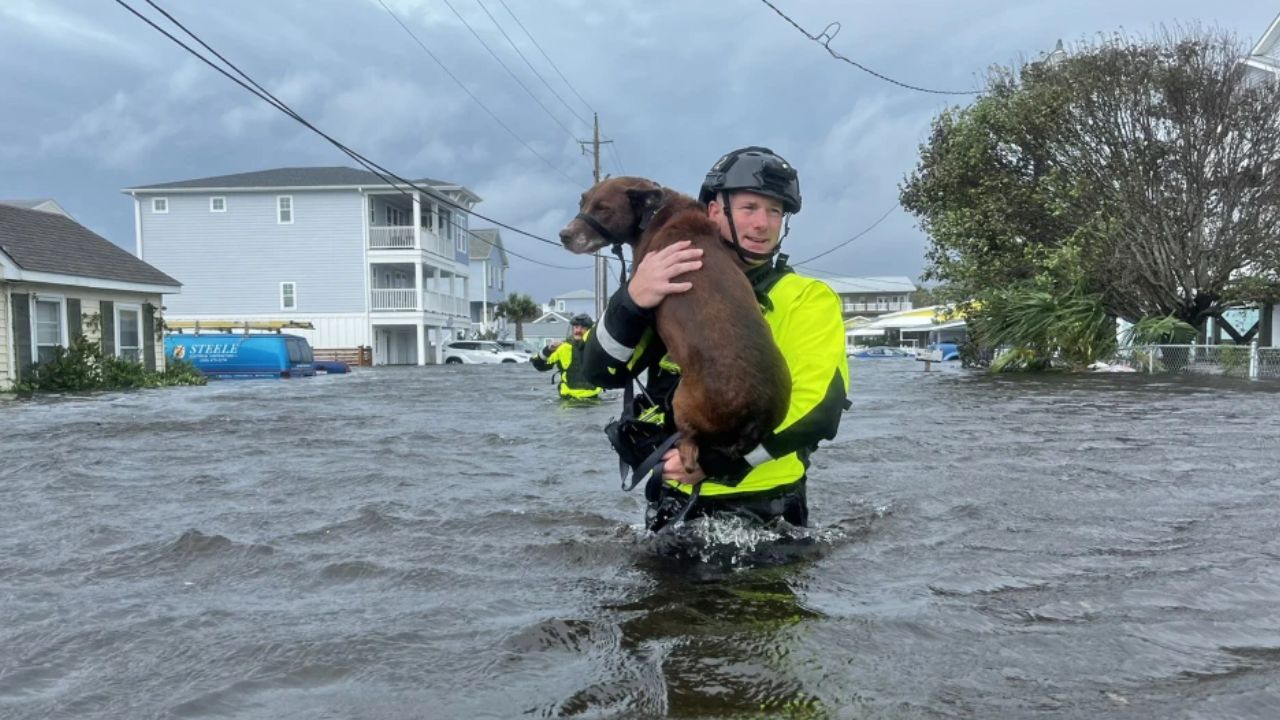
In addition to the severe thunderstorm threat, heavy rainfall could lead to localized flooding concerns. A Level 2 out of 4 flash flood risk has been issued for portions of the Ohio Valley, West Virginia, and western Pennsylvania.
Repeated rounds of rainfall may overwhelm drainage systems in some locations, especially in urban areas and regions that receive multiple thunderstorms over a short period.
Low-lying roads, creeks, and poor-drainage locations could become particularly vulnerable if rainfall rates increase. Forecasters say the flooding threat will depend largely on where the heaviest storms repeatedly develop.
Swimming Advisories Issued at Multiple New Jersey Beaches After Dangerous Bacteria Levels Detected
Residents Urged to Stay Weather-Aware
With severe thunderstorms and flooding both possible, weather experts are encouraging residents to remain alert and have multiple ways to receive warnings.
Conditions can change rapidly during severe weather events, especially when storms develop during afternoon and evening hours.
As the storm system moves across the region, officials recommend monitoring local forecasts, avoiding flooded roadways, and preparing for potential travel disruptions.
After a stretch of pleasant early summer weather, the Northeast may be in for a much more active and potentially hazardous end to the week.
Are you expecting severe weather in your area this week? What preparations do you take when thunderstorms and flash flooding are in the forecast? Share your thoughts and experiences in the comments below.