Hawaii – Hawaii is watching a developing tropical system in the Pacific that could become one of the most significant weather threats to the islands in years.
Former Invest 93C was upgraded to Potential Tropical Cyclone One-C on Wednesday, allowing the National Hurricane Center to issue official forecast information, including potential watches and warnings, before the system becomes a named storm.
The designation comes as the system moves across the Pacific toward Hawaii, with the storm’s center located roughly 1,000 miles southeast of the Big Island.
Although tropical storm watches were not yet in effect because significant impacts remained more than 48 hours away, forecasters expected watches could be issued as early as Wednesday night or Thursday morning.
Storm Could Become Lala
Forecasters expect the system to become better organized over the coming days, potentially reaching tropical depression or tropical storm strength.
There is also strong agreement among forecast models that the system will intensify before reaching Hawaii. The official forecast calls for the system to become a strong tropical storm as it approaches or makes landfall on the Big Island.
If it reaches the required strength and receives the next available name in the Central Pacific naming list, the storm could be called Lala.
The exact strength and path remain uncertain, however, meaning residents should continue monitoring updates as the system develops.
Rare Landfall Threat Raises Concern
A direct tropical cyclone landfall in Hawaii is an unusual event, making the current forecast particularly significant.
The last hurricane to make landfall in Hawaii was Category 4 Hurricane Iniki in 1992, which caused catastrophic damage and became the costliest hurricane in Hawaiian history.
Forecasters are warning residents not to wait until the storm is fully developed before preparing.
Authorities have urged people living in vulnerable housing to identify where they could go if strong winds, heavy rain or elevated tides become dangerous and to remain informed through local officials.
Flooding Rain and Strong Winds Possible
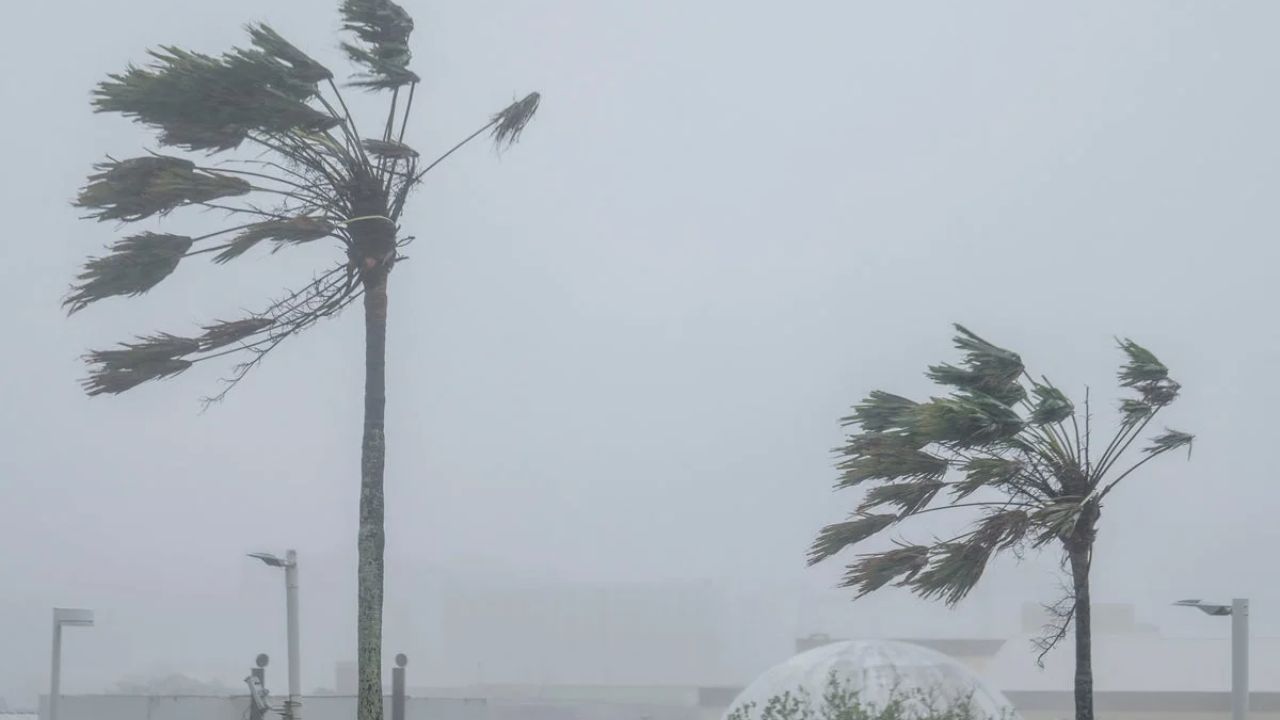
The eventual track will determine which parts of Hawaii experience the strongest winds and heaviest rainfall.
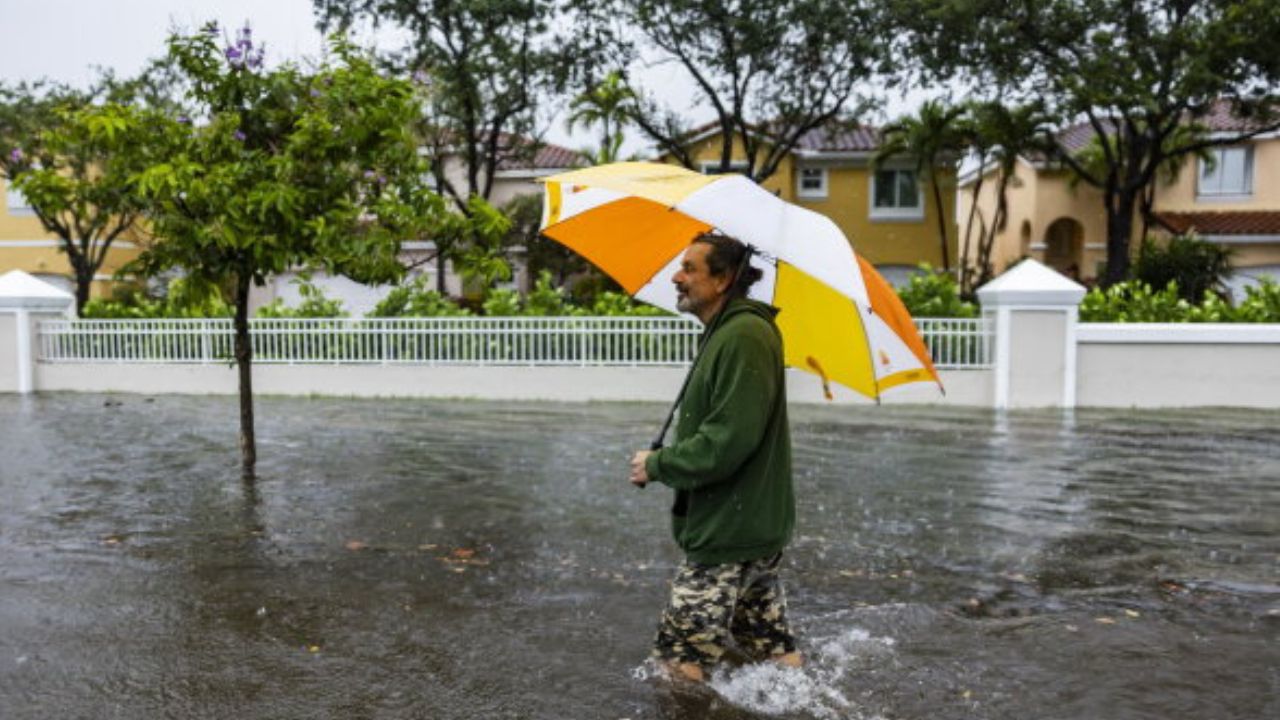
Windward slopes are typically more vulnerable to intense rainfall, meaning some locations could see significant flooding even if the storm’s center does not pass directly overhead.
Coastal conditions are another major concern. Tides are already elevated because of several contributing factors, including strong trade winds, the moon’s distance from Earth and unusually warm ocean water.
Those elevated water levels could make coastal flooding worse if the storm pushes additional water toward shore.
Monster Surf Could Become Another Major Hazard
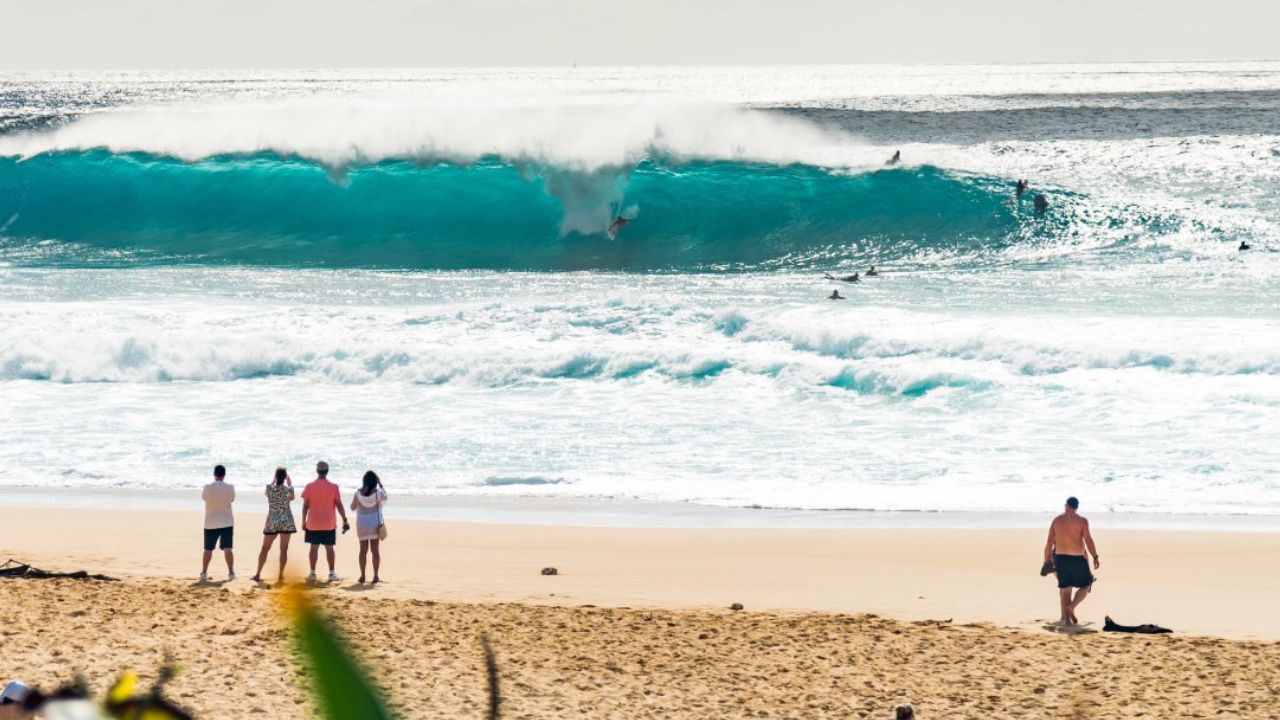
Even if the storm changes course and avoids a direct landfall, Hawaii could still experience dangerous impacts. The system is expected to generate massive ocean swells, with wave heights potentially exceeding 30 feet in some areas.
That could make beaches, rocky shorelines and other exposed coastal areas extremely dangerous. Residents and visitors should pay close attention to local beach and surf warnings rather than assuming conditions are safe simply because the storm does not make landfall.
The National Weather Service in Honolulu and the Hawaii Emergency Management Agency are expected to closely monitor the system as its track and intensity become clearer.
For now, the biggest question is how quickly Potential Tropical Cyclone One-C strengthens and exactly where it turns. With the possibility of a rare Hawaiian landfall, residents should stay alert and follow updates from emergency officials as the system moves closer.
What do you think about the potential threat to Hawaii? Are you surprised to see a possible tropical cyclone landfall developing? Share your thoughts in the comments below.