San Francisco, California — A restaurant that received a $100,000 city grant as part of San Francisco’s effort to bring life back to struggling commercial corridors has suddenly closed, just months after opening and only weeks after receiving the six-figure award.
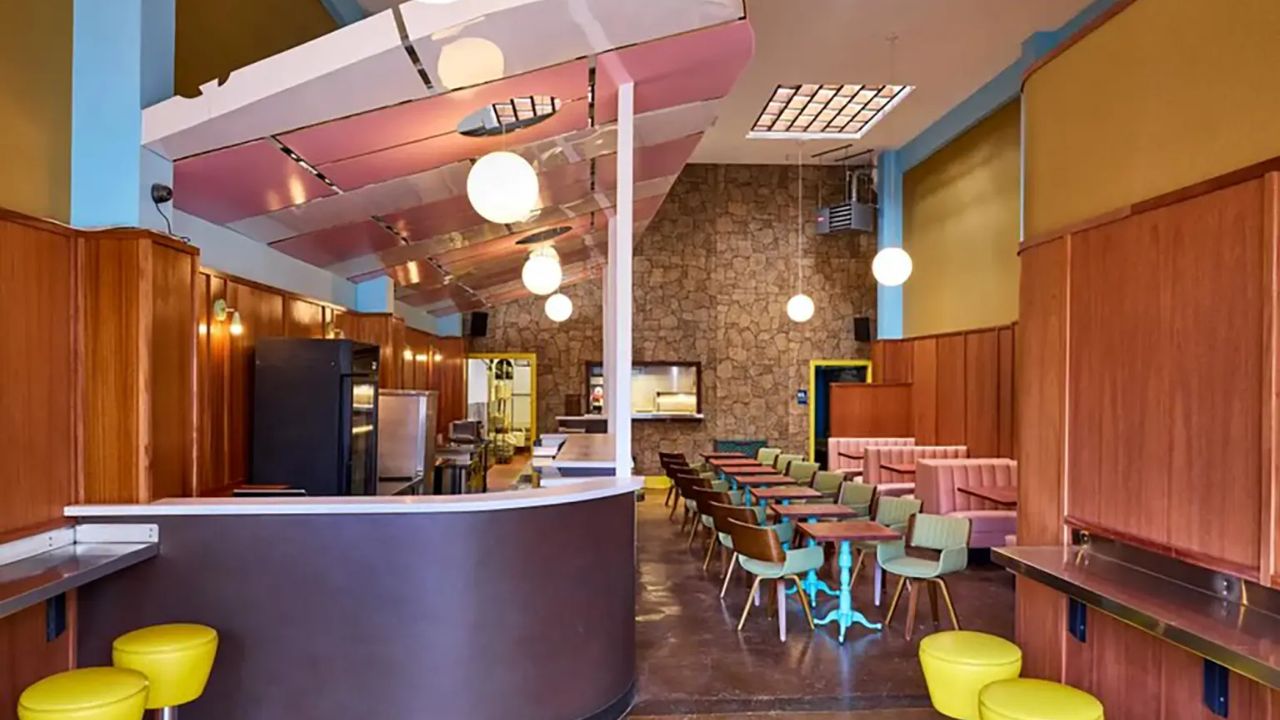
Chicken Fried Palace, located in the city’s Mission District, announced the shutdown, putting new attention on San Francisco’s Storefront Opportunity Grant program and whether businesses receiving the funding are required to remain open for a specific period.
Restaurant Announces Sudden Closure
Owner Seth Stowaway said the restaurant is pausing its daily operations because of a recent medical situation involving one of its founders.
In a social media announcement, the restaurant thanked customers and said it remained grateful for the community’s support.
Stowaway has also cited sidewalk problems and the health scare as factors behind the decision.
The closure comes as a surprise because Chicken Fried Palace opened in November 2025, taking over a location in San Francisco’s Mission District.
$100,000 Grant Came Just Weeks Before Closure
The timing of the shutdown has attracted particular attention because Stowaway received $100,000 through San Francisco’s Storefront Opportunity Grant program in the spring.
The city launched the program as part of its broader effort to reduce vacant storefronts and revitalize commercial neighborhoods.
San Francisco has awarded more than $3 million to 39 businesses through the program, with grants supporting businesses opening in previously vacant commercial spaces.
Chicken Fried Palace appears on the program’s list of recipients, although it was not included in a June 23 city news release highlighting participating businesses.
The city is now taking a closer look at what happened.
City Reviewing Whether Requirements Were Met
According to city spokesperson Kate Reardon, San Francisco is reviewing the restaurant’s status and consulting with the City Attorney’s Office about whether any action should be taken.
The city’s grant program has specific requirements. Businesses receiving the funding must have a new lease beginning on or after October 1, 2025, with the lease lasting for three consecutive years.
Chicken Fried Palace opened in November 2025, meaning it appears to have met the timing requirement when it began operating.
However, it remains unclear whether the restaurant’s current closure violates any condition of the grant.
The city emphasized that its economic development programs have supported hundreds of businesses, with the overwhelming majority continuing to operate successfully.
Restaurant Could Still Host Events and Pop-Ups
Although regular daily operations have stopped, the physical restaurant space may not remain completely inactive.
Stowaway previously said the location is available for events and pop-ups and that he is working with the landlord to find another tenant.
That could potentially keep activity in the storefront while the city determines what the closure means for the grant.
Stowaway did not immediately respond to requests for additional comment about the shutdown.
Chef Has Deep Roots in San Francisco Food Scene
The closure is another unexpected turn in Stowaway’s career.
Before opening Chicken Fried Palace, he worked at Mister Jiu’s and Bar Agricole before launching Osito in 2021. The restaurant earned a Michelin star before closing last year.
Stowaway opened Chicken Fried Palace only months after Osito’s closure, despite facing financial challenges during the launch. He also launched a GoFundMe campaign seeking $60,000 to help transfer a liquor license to the new restaurant.
Despite the latest closure, Stowaway remains active in San Francisco’s culinary industry through his consulting venture the Same Sun and his newer fine-dining project, Folklore, a small tasting concept in the Financial District.
For now, the biggest unanswered question is whether the city’s $100,000 investment will remain with a restaurant that has stopped daily operations — or whether officials will require some form of repayment or corrective action.
What do you think about cities giving large grants to restaurants and small businesses? Should recipients be required to remain open for a minimum period? Share your thoughts in the comments below.